Making Time for STEM in Primary Classroom
Making Time for STEM in Primary Classrooms
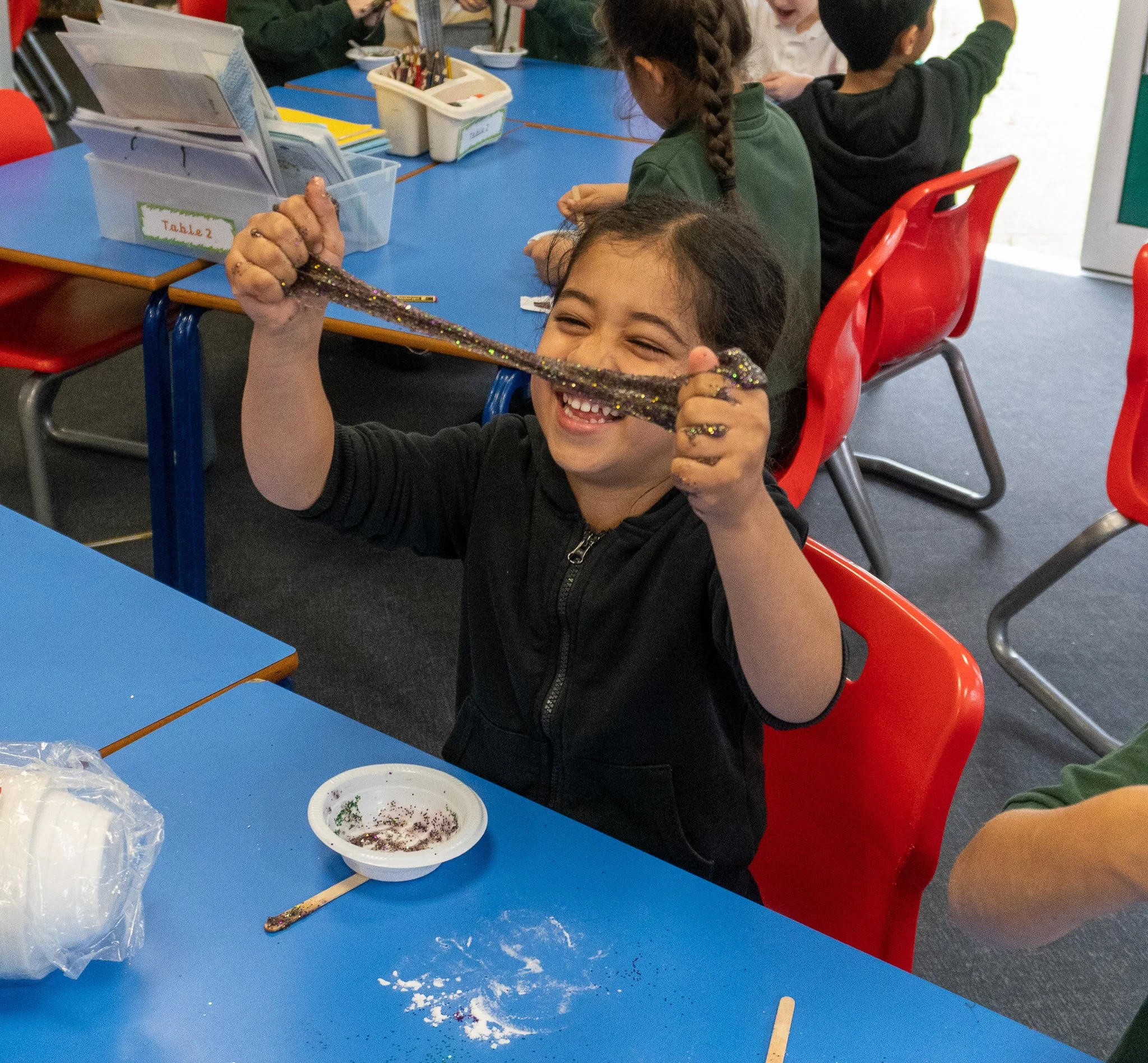
Every primary teacher knows the feeling, the day races by, and there’s always one more thing to do. Between literacy, maths, assemblies, and everything in between, finding time for science and STEM can feel like fitting a rocket into a lunchbox. There’s so much potential for creativity and exploration, yet so little room in the timetable.
At Aveea, we understand the pressure. STEM is often seen as something that needs a full afternoon, special equipment, or lots of preparation, but it doesn’t have to be that way. Even the smallest moments of discovery can spark big thinking.
Our goal is to help teachers make STEM fit within their busy days, not outside of them. Because with a little imagination, you can keep that spark of curiosity alive, even when time is short.
The time challenge
Primary classrooms are wonderfully full places. Pupils move between reading groups, PE, art projects, and assemblies, all while trying to cover a packed curriculum. Science and STEM can sometimes slip down the list, squeezed by core subjects or special events. The challenge isn’t just about finding hours; it’s about finding moments, and making those moments count.
Research supports this idea. Cognitive scientist Daniel Willingham famously wrote, “People are naturally curious, but we are not naturally good thinkers.” Moments of guided exploration help pupils practise thinking in small, manageable ways. Short bursts of inquiry protect curiosity rather than overwhelming it.
Small changes that make a big difference
You don’t need hours of setup or a cupboard full of kit to bring STEM to life. A few small tweaks can turn ordinary lessons into opportunities for hands-on learning and curiosity.
Short bursts of exploration can be just as powerful as long experiments. Try quick tests like “Which paper makes the best aeroplane?” or “Does the size of a shadow change during the day?” These bite-sized investigations build excitement and understanding without taking over the timetable.
Another small tweak is beginning a lesson with a question that gets pupils thinking. For example: “Why do bubbles always make circles?” or “What would happen if we tried to walk on water?”. These short, open questions can lead to great discussions, and they only take a few minutes.
STEM connects beautifully to everyday topics. When reading a story about pirates, talk about floating and sinking. When learning about shapes, build towers and bridges. STEM becomes part of the story, not something separate.
Finally, play is powerful. Encourage pupils to build, test, and imagine. Give them time to tinker with Lego, cardboard, or natural materials. Cognitive science shows that play supports flexible thinking and helps pupils build mental models of how the world works. You’ll be amazed at how much learning happens when they think they’re just having fun.
Here are a few easy strategies to help STEM slot neatly into your week. Keep a small box of reusable STEM materials. Things like elastic bands, paper clips, foil, and straws, so pupils can use them in multiple ways without needing new prep each time. Between lessons or transitions, pose a quick “What if?” question to refocus the class and keep curiosity bubbling. Work with colleagues to share quick activities or resources, since a five-minute idea from one class can inspire the whole year group.
Finally, celebrate small wins: even a short discussion or one quick test is valuable STEM learning. It doesn’t have to be perfect — it just has to get pupils thinking.
STEM in action
In one of our Aveea workshops, KS2 pupils explored STEM through creativity in our Clay Modelling session. Although sculpting might not seem like a typical science or engineering activity, it brings the A for Art into STEAM, showing how imagination and design thinking are essential to problem-solving.
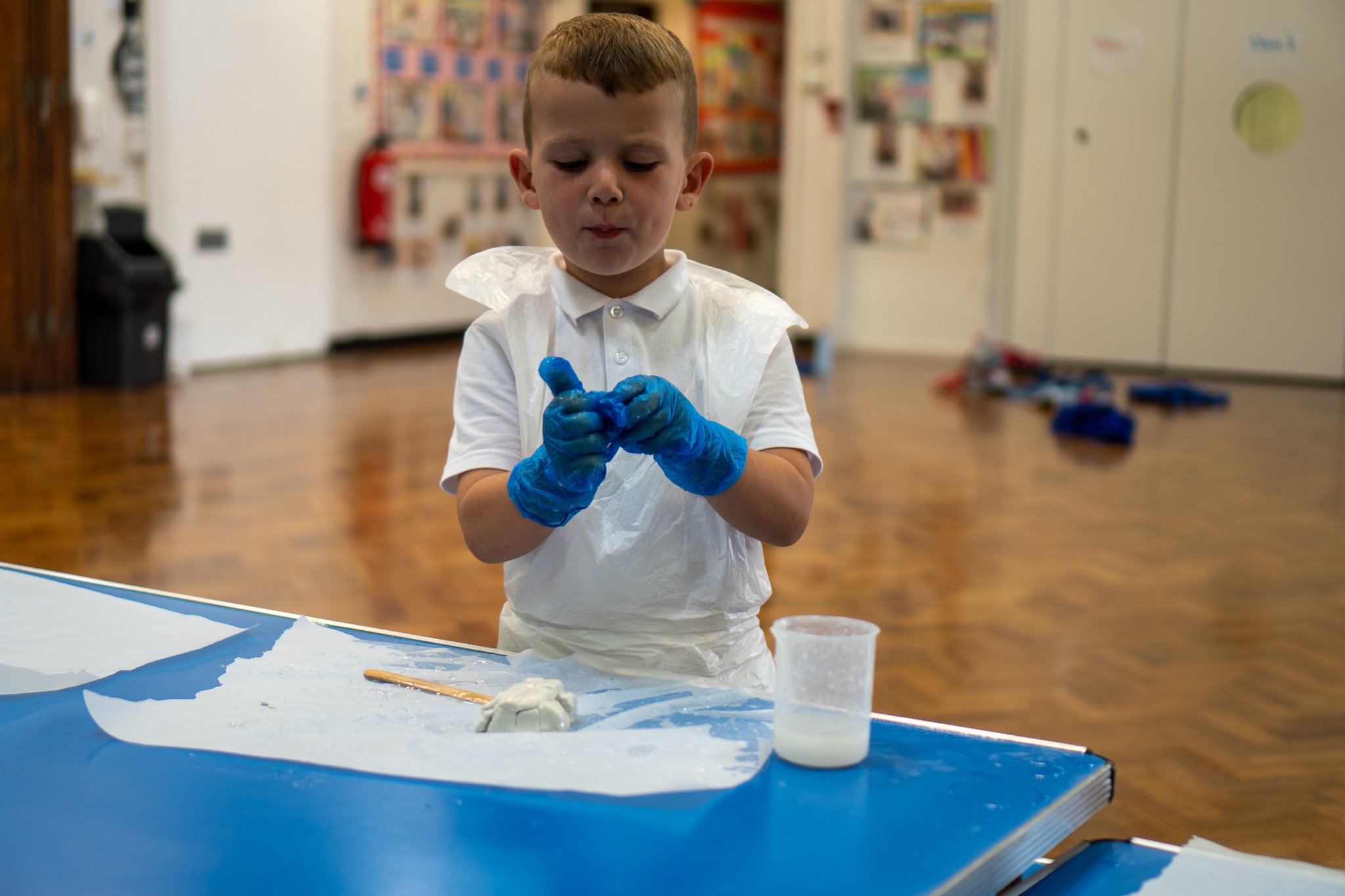
During this 45-minute session, pupils were challenged to create their own clay sculpture with a STEM-related theme. Some designed animals inspired by nature’s engineering, while others sculpted rockets, robots, or famous scientists. With only simple tools and their hands, pupils discussed their ideas, experimented with techniques, and explained the thinking behind their designs.
The classroom buzzed with curiosity. One pupil created a turtle symbolising marine conservation, another sculpted a bridge to explore strength and structure, and others built imaginative inventions of their own. It was a clear reminder that STEM and creativity are deeply connected, and that meaningful learning does not require complex resources.
Time well spent
When pupils get to explore, question, and create, they don’t just learn science, they learn confidence. They learn that it’s okay to get things wrong, to try again, and to wonder “why?” And those are lessons that last far longer than the school day.
At Aveea, we believe that STEM doesn’t need a big budget or a whole afternoon. It just needs moments. Moments that inspire curiosity and help pupils see the world in new ways.
So next time the day feels too full for a big experiment, remember: even the smallest spark can start something extraordinary.
Sometimes, all it takes is five minutes and a question.